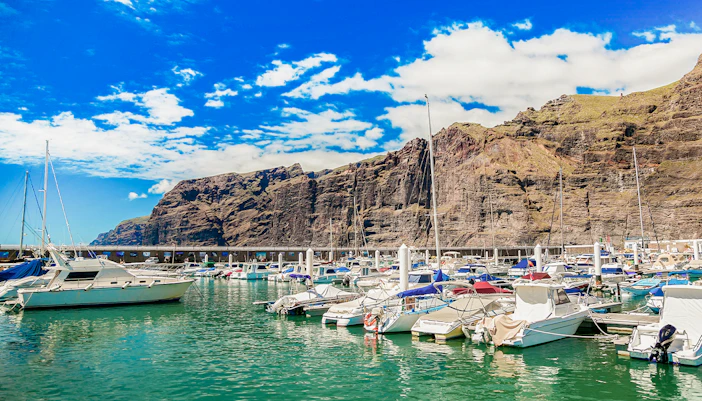
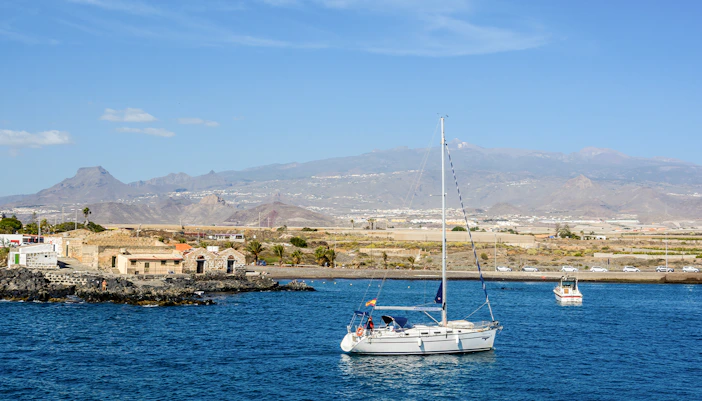
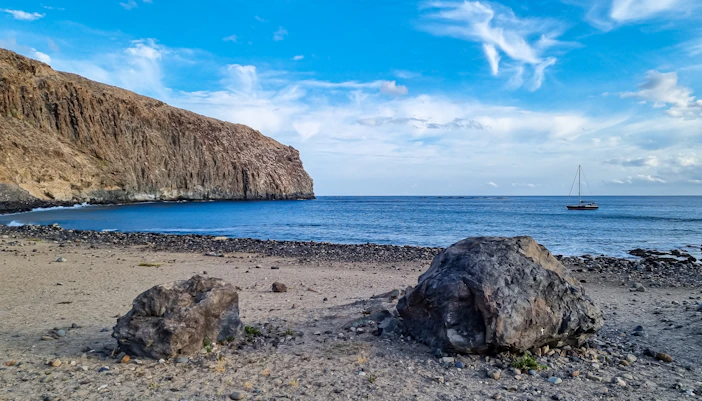
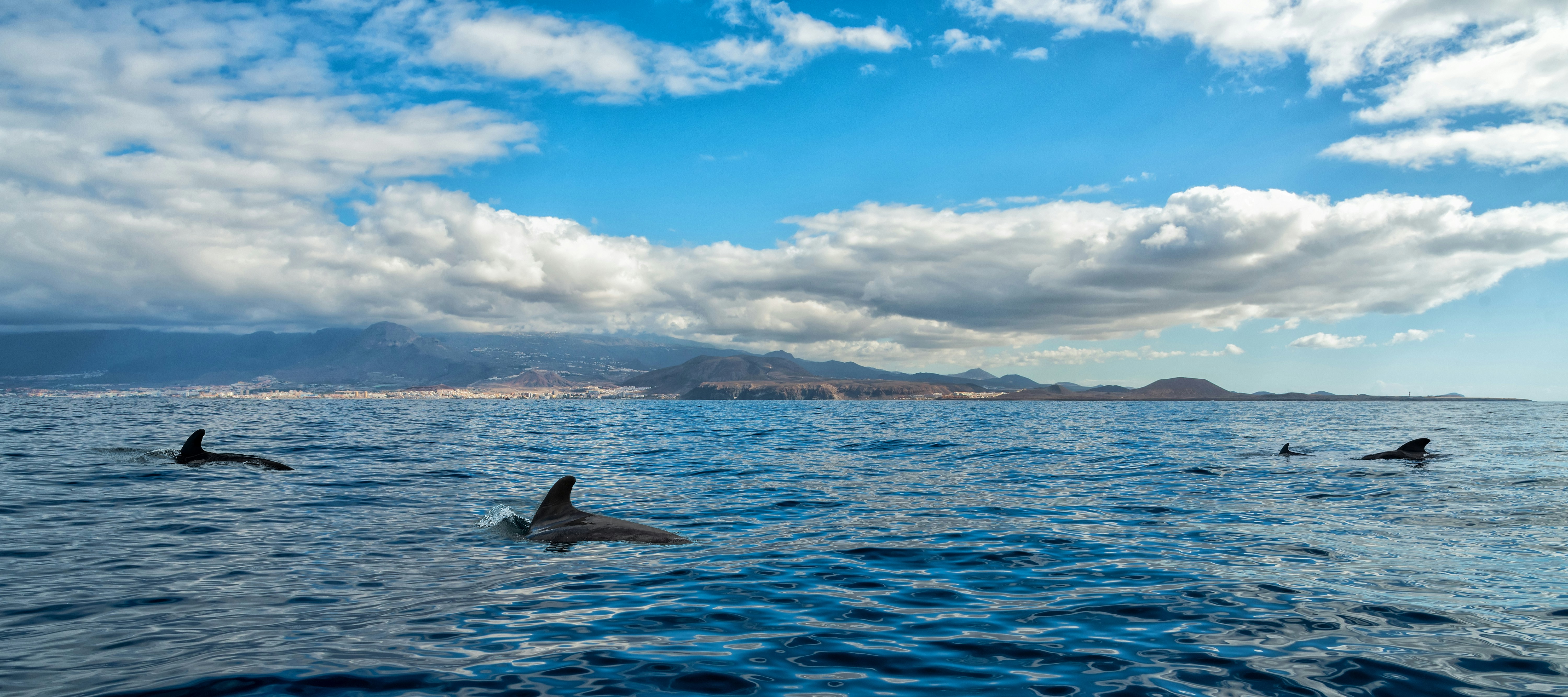
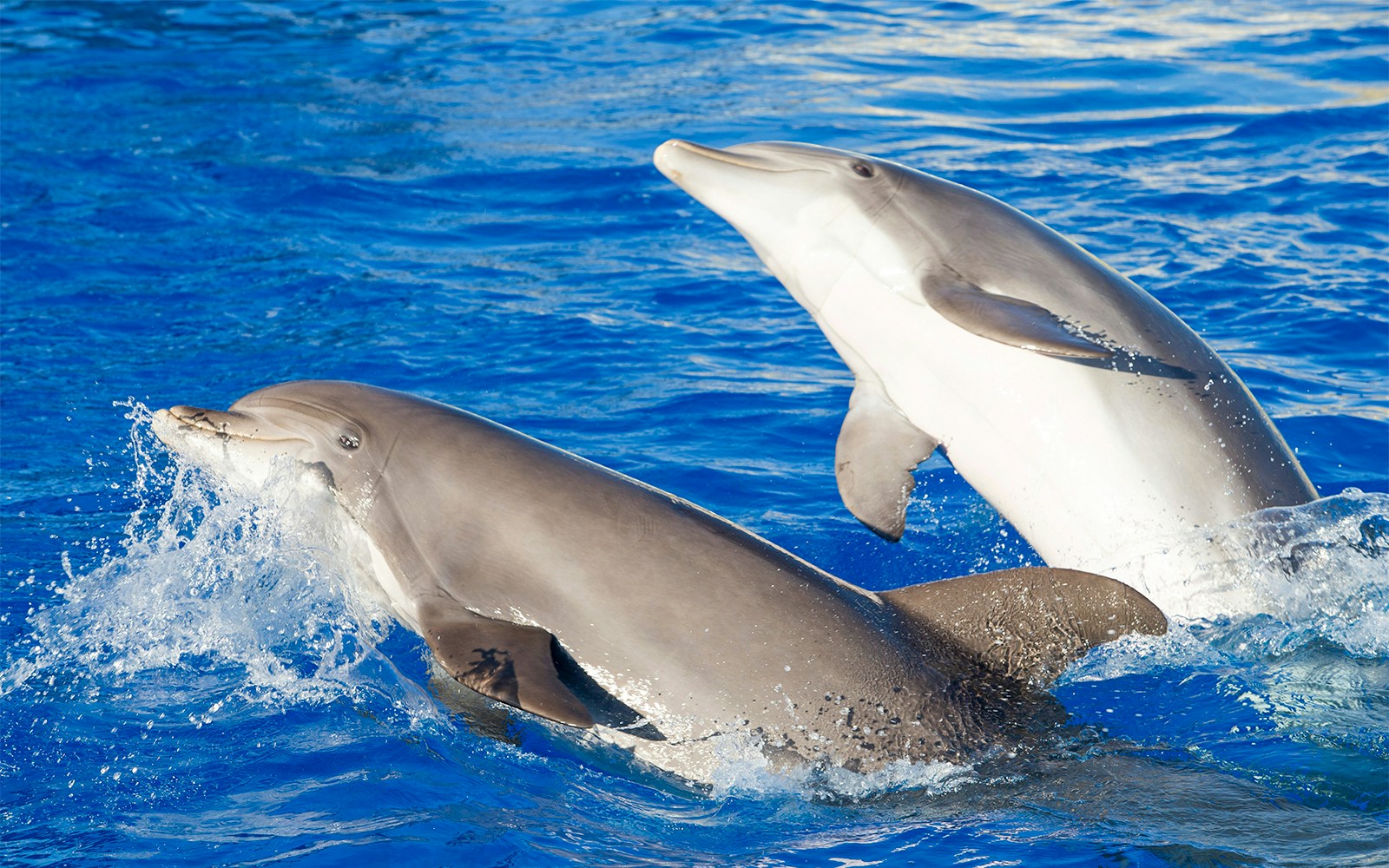
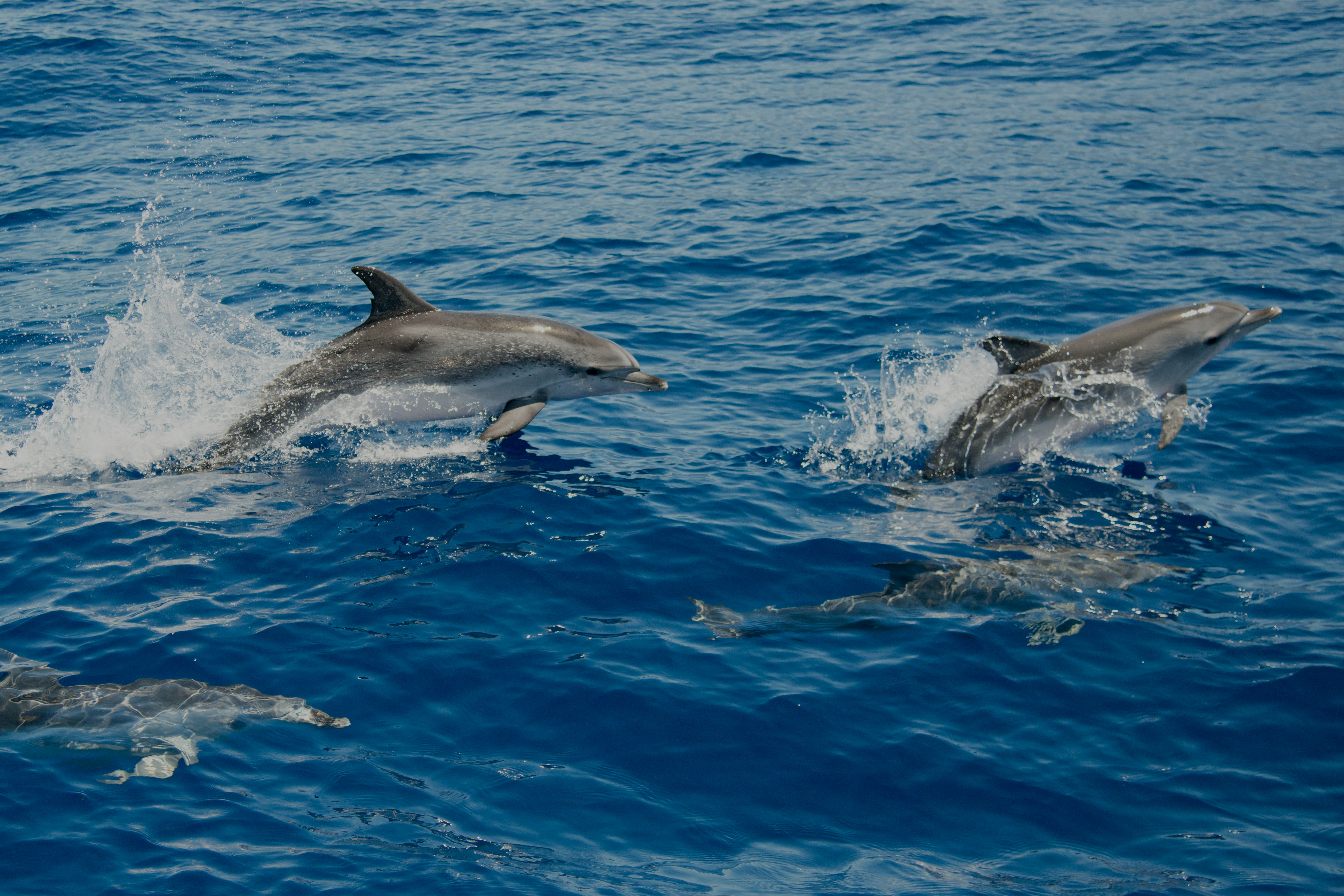
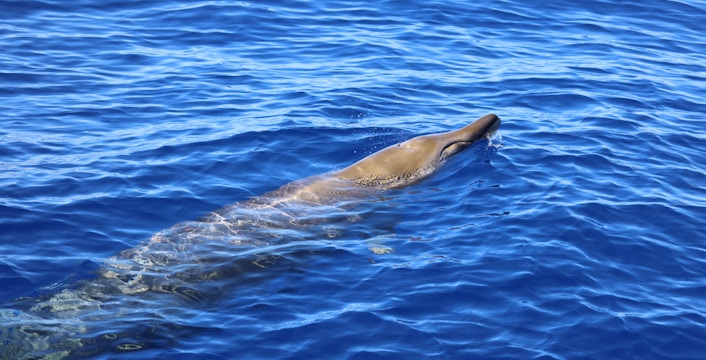
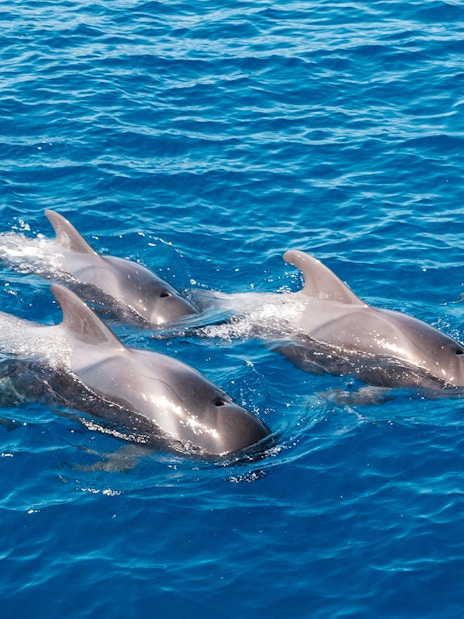
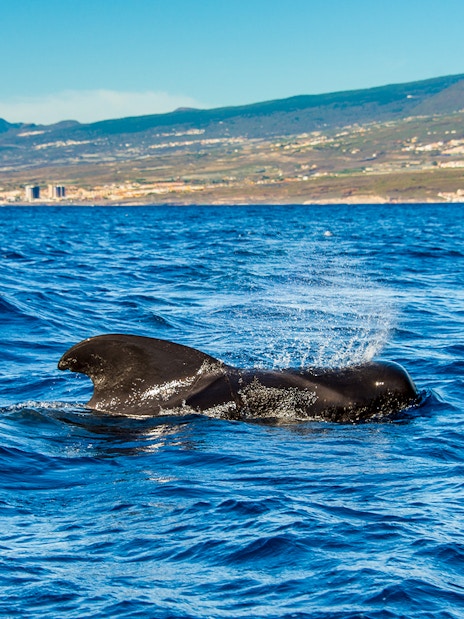
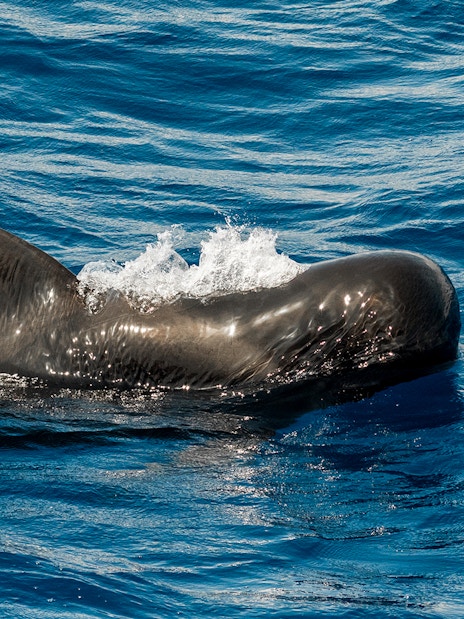
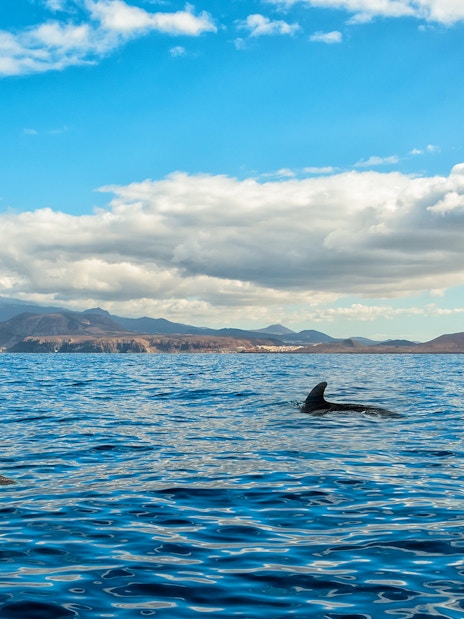
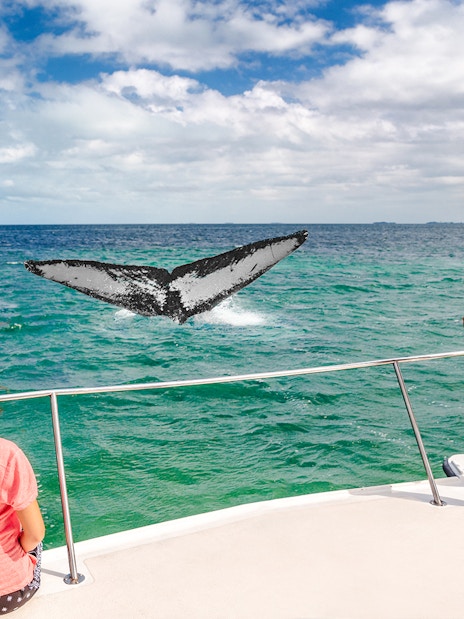
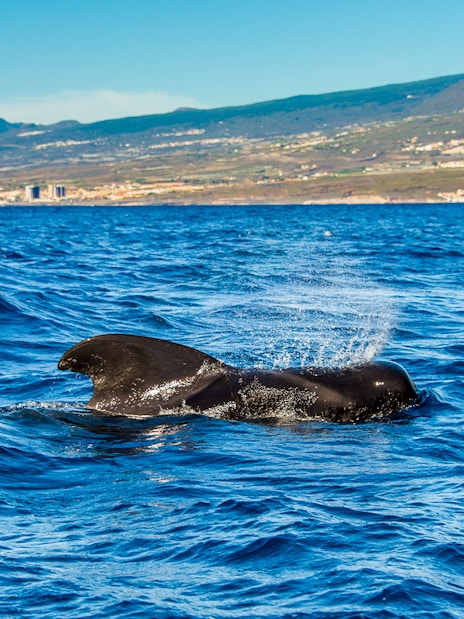
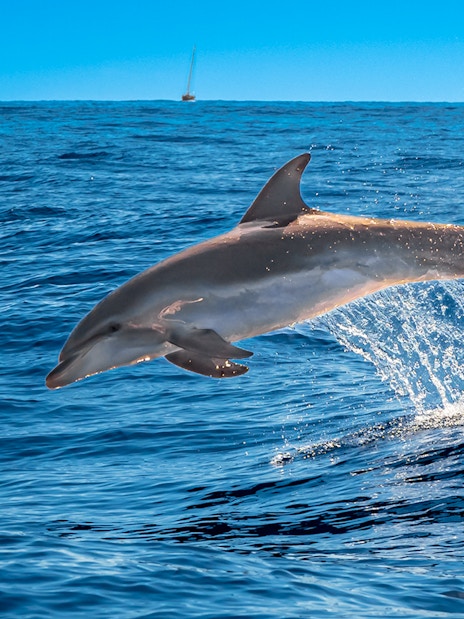
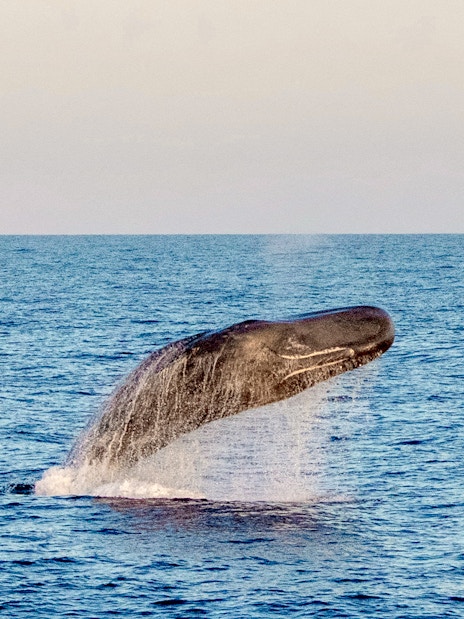
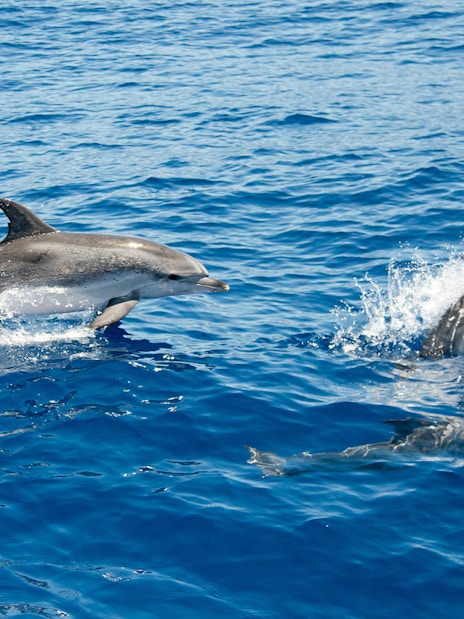
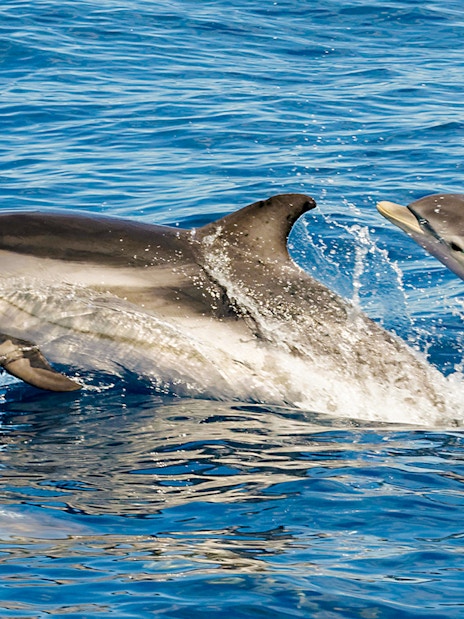
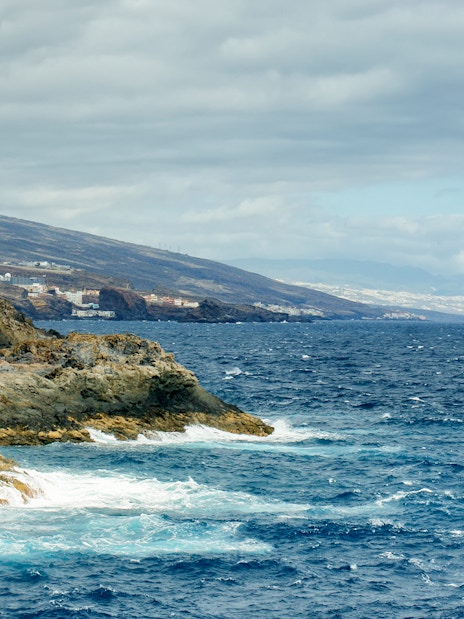
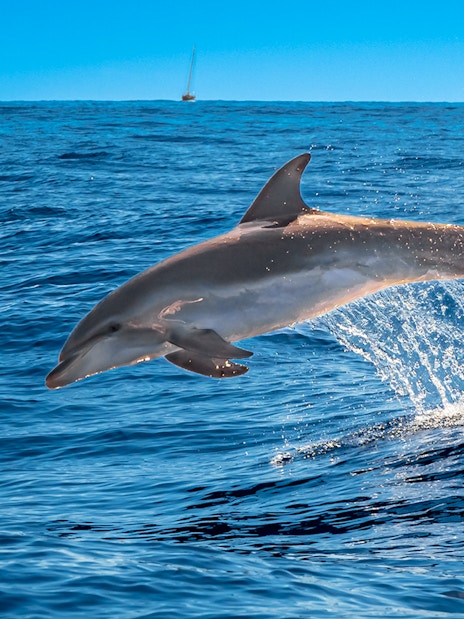
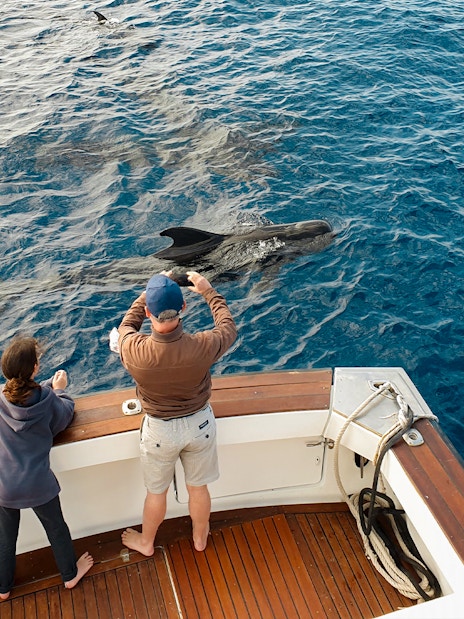
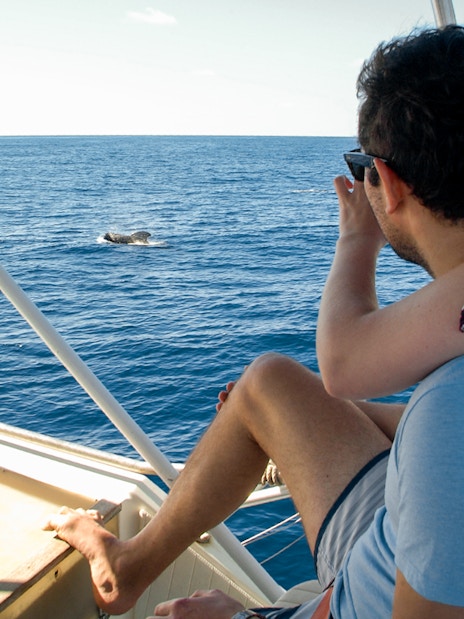
The south-west coast between Tenerife and La Gomera holds a resident population of short-finned pilot whales and bottlenose dolphins, so sightings are possible almost every month of the year.

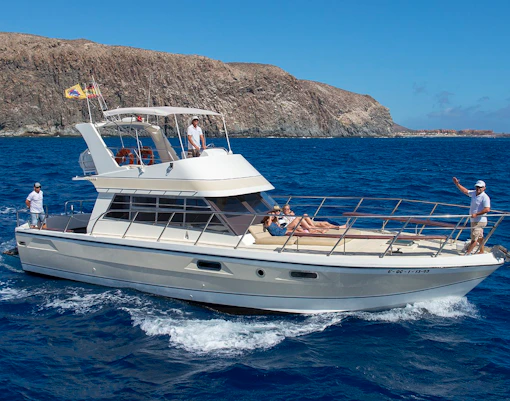
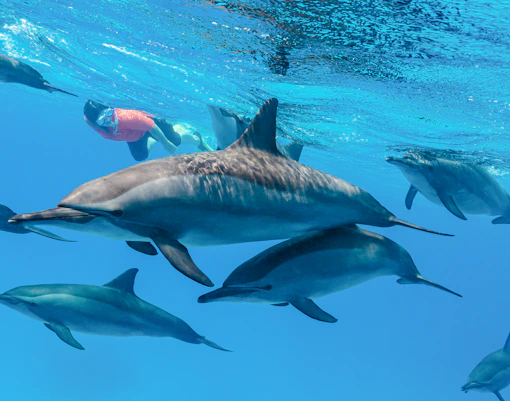
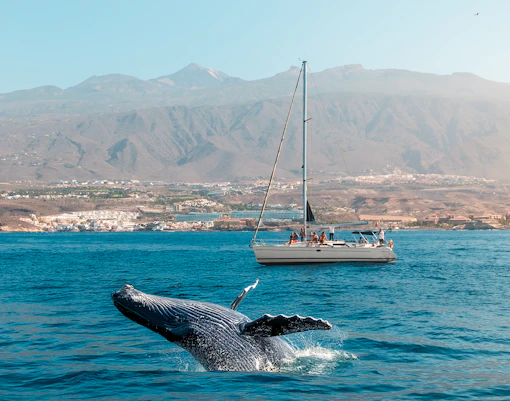
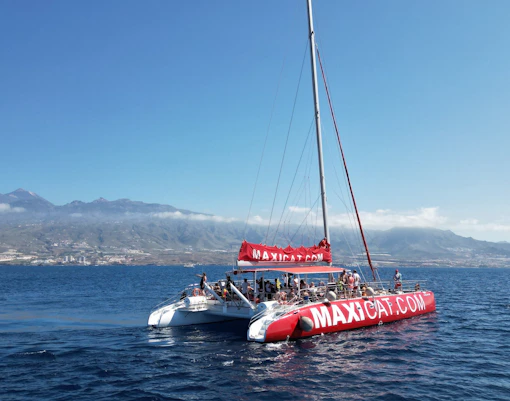


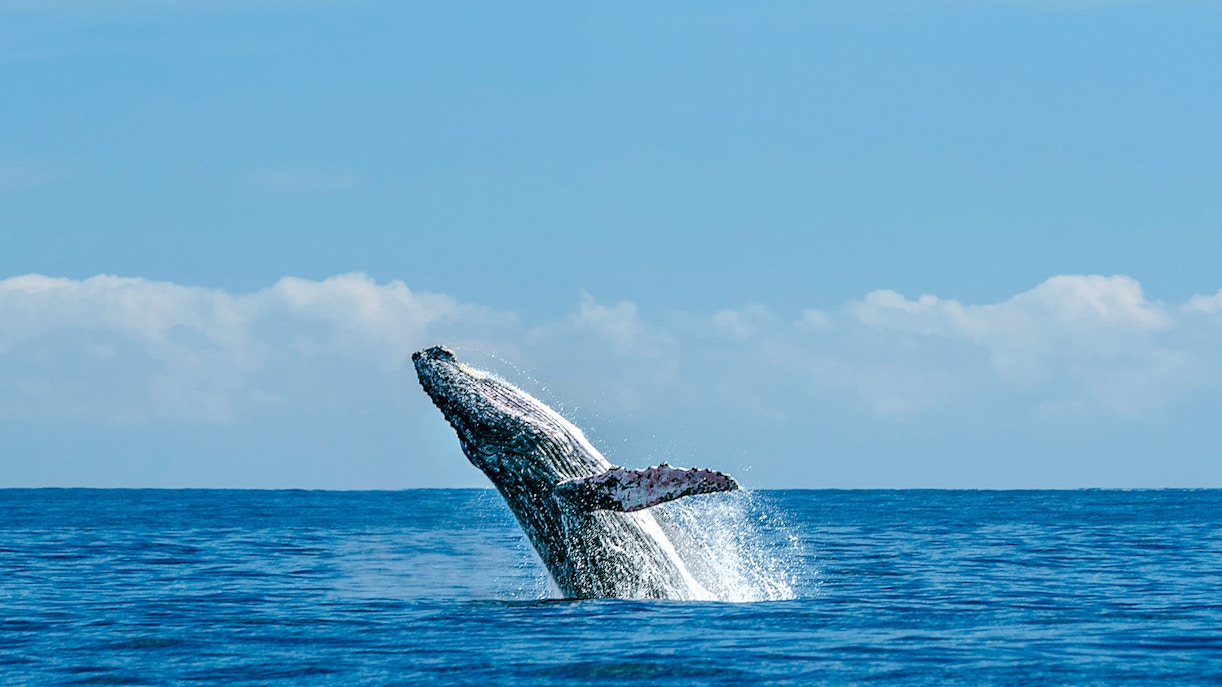
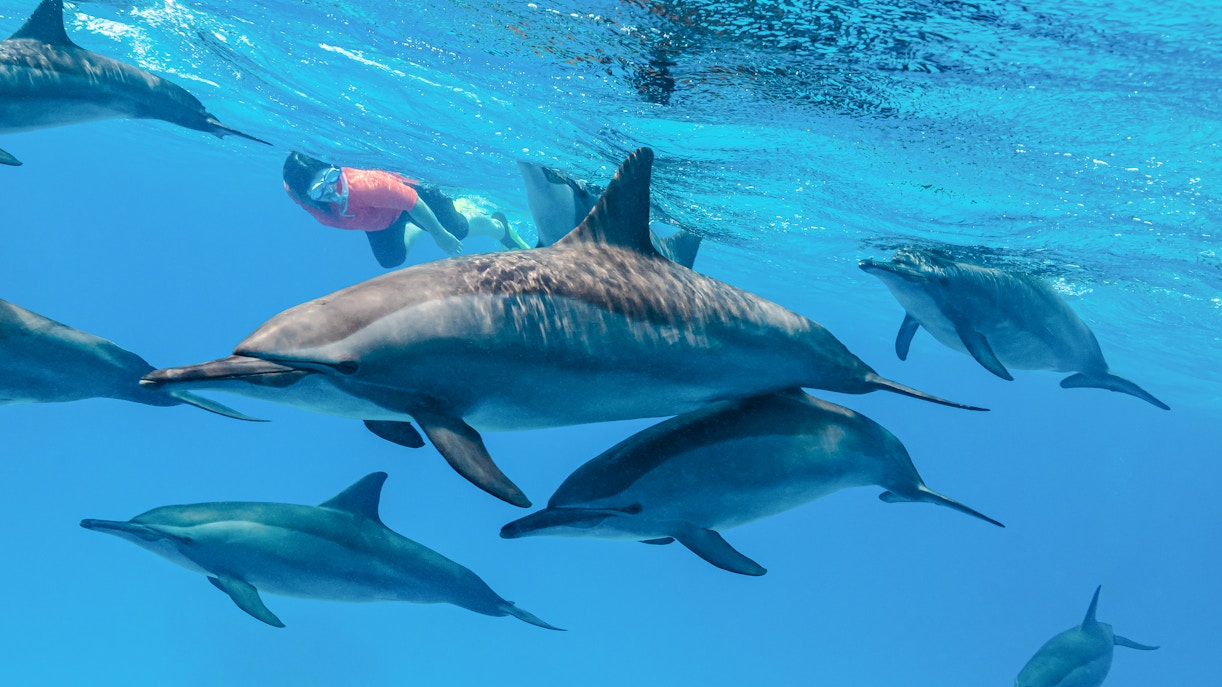
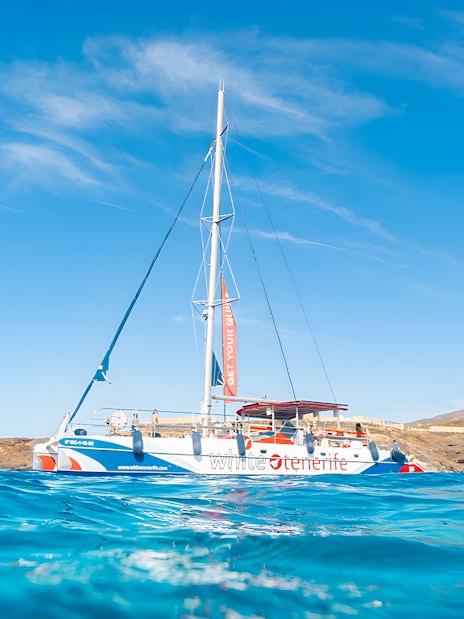
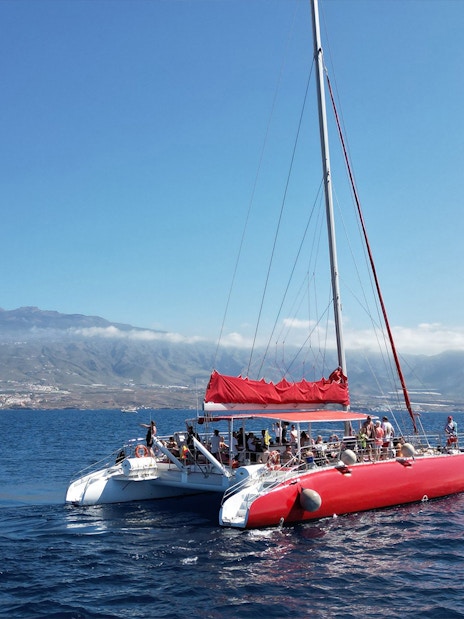
Sail a 3-hour whale and dolphin watching catamaran from Costa Adeje, with hotel transfers.
Inclusions #
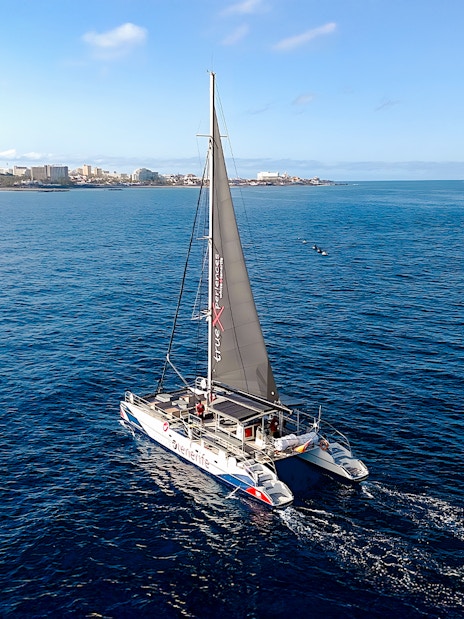
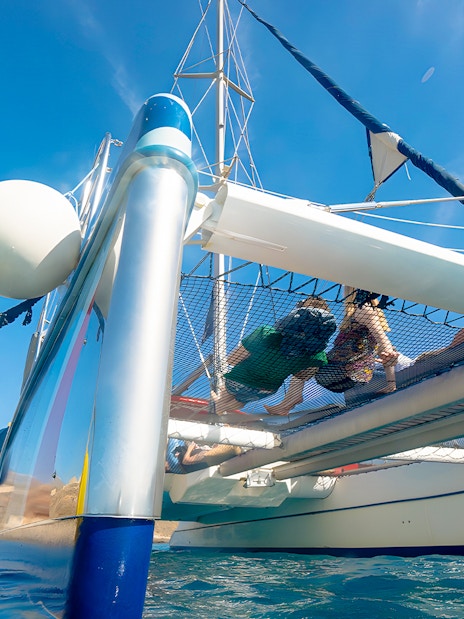
3-hour cruise on a modern catamaran
Hotel pickup and drop-off from selected South Tenerife areas, within a set radius of Puerto Colon
Board from Puerto Colón
Expert English and Spanish-speaking crew
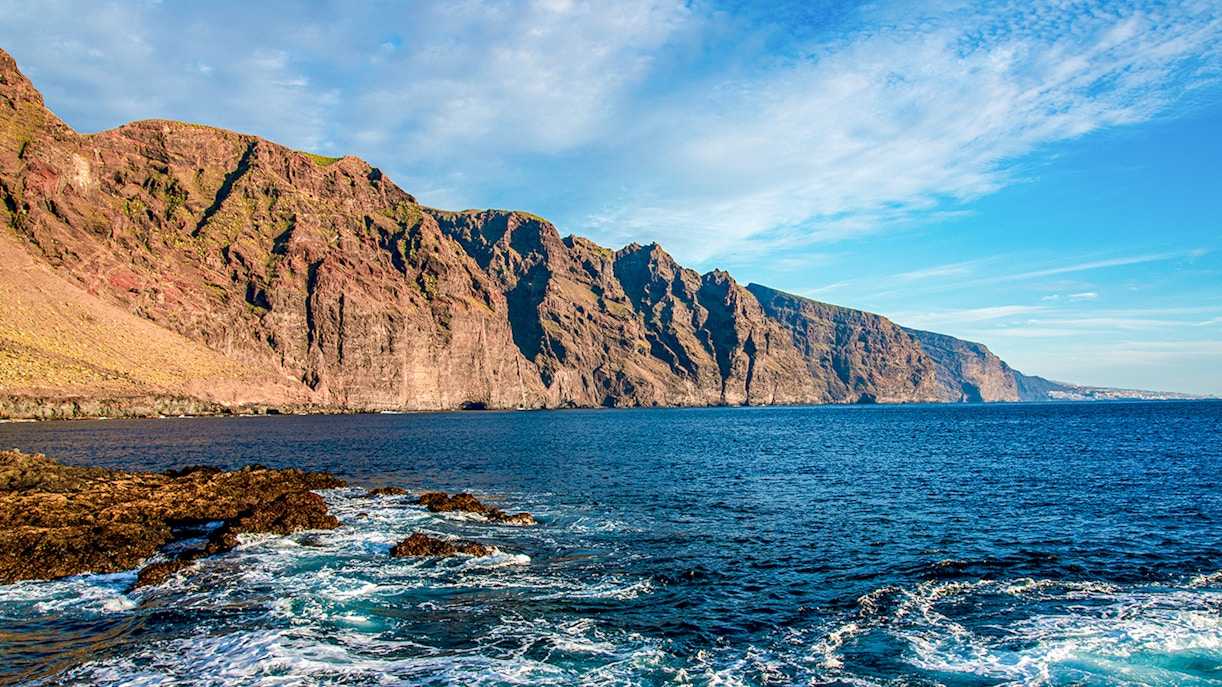
Commentary about the Teno-Rasca strip
Beverages and snacks
Exclusions #
Hotel pick-up and drop-off from North Tenerife, Puerto de la Cruz, or areas outside the designated South Tenerife zone
Meals beyond the light snacks included on board
Snorkeling equipment
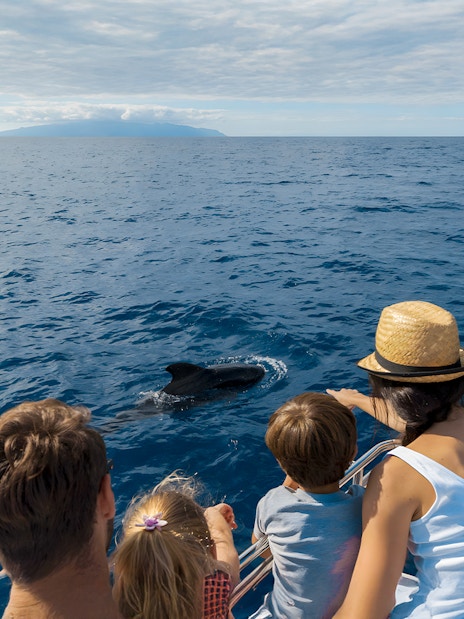
Hear pilot whales calling underwater while you watch them surface — pick your vessel!
Inclusions #
Whale and dolphin watching cruise from Costa Adeje
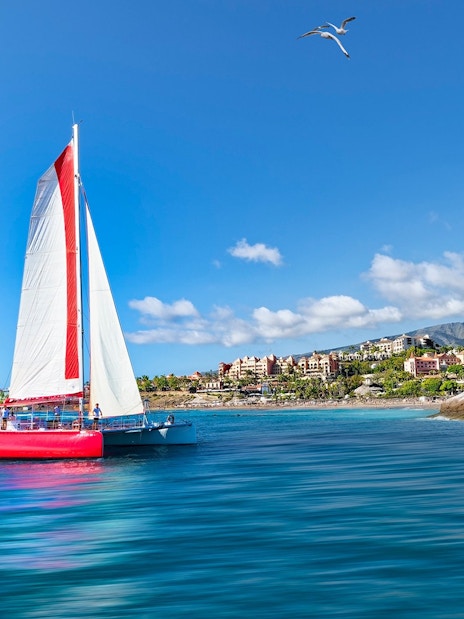
Choice of catamaran or sailboat cruise (as per option selected)
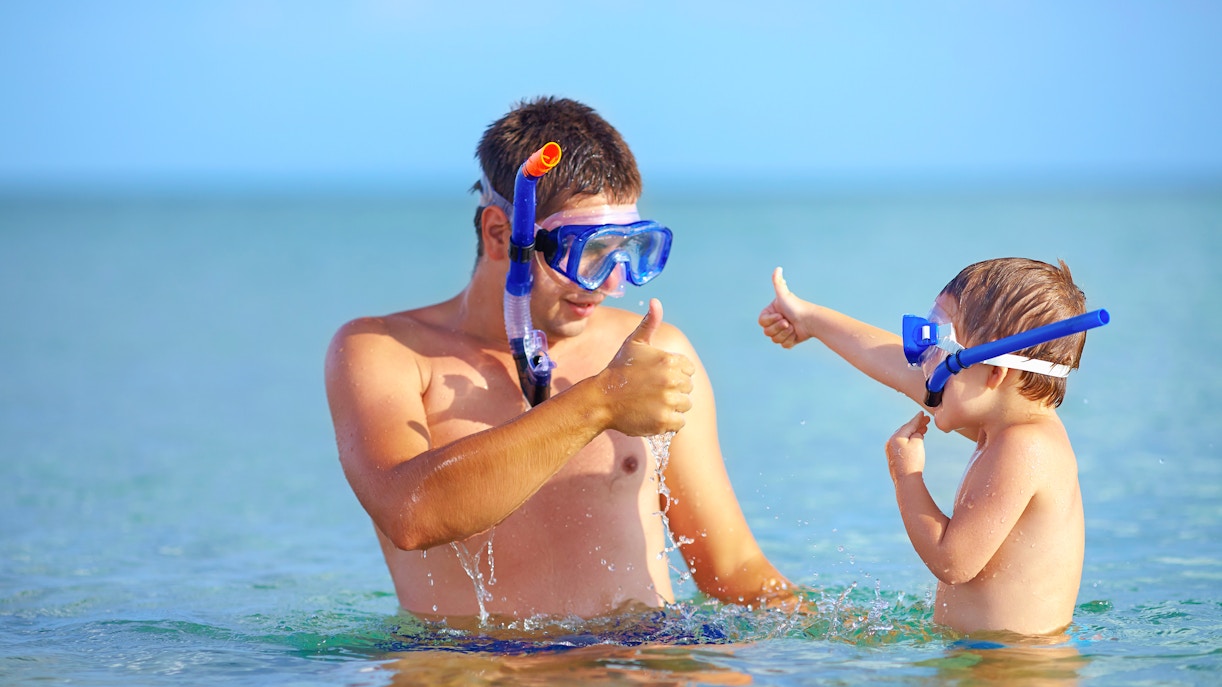
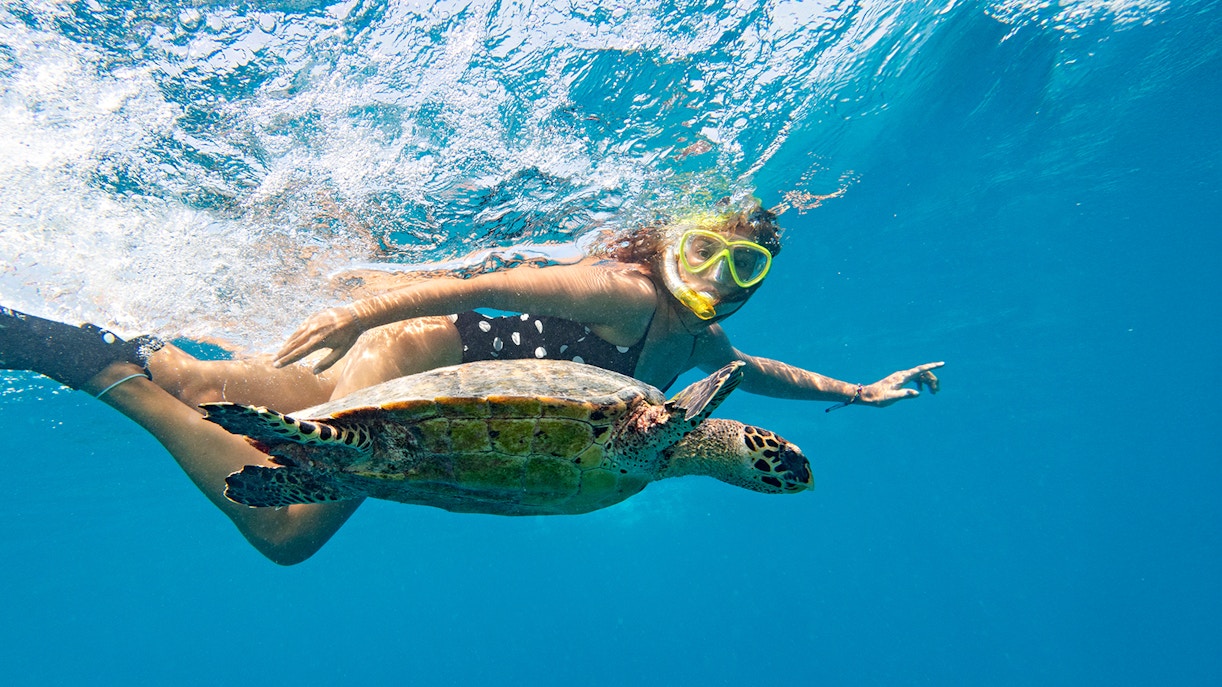
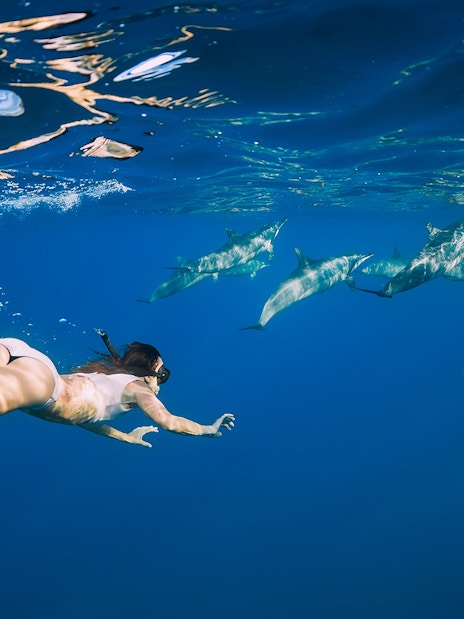
Stop for swimming and/or snorkeling in suitable weather and sea conditions
Canarian-style lunch or snacks (as per option selected)
Underwater sound listening system (as per option selected)
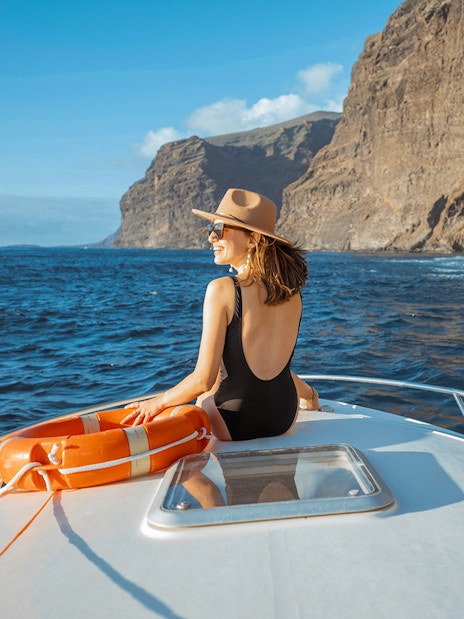
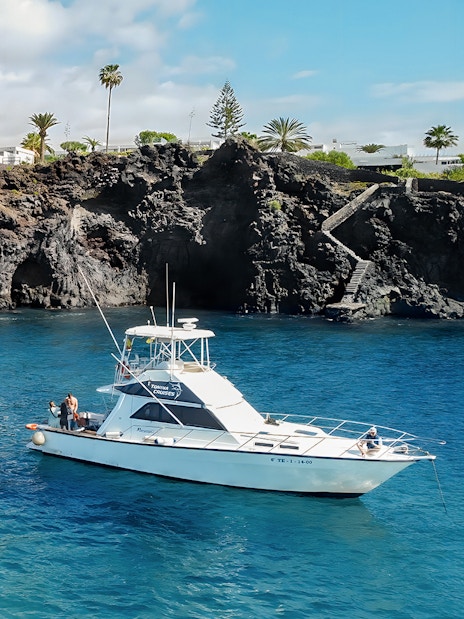
Charter your own private yacht and explore Tenerife’s whale corridor with just your group.
Inclusions #
3 or 6-hour private cruise on a luxury yacht (max 9 guests) (as per option selected)
Departure from Puerto Colón marina in Costa Adeje
Hotel pick-up and drop-off within a 5 km radius of Puerto Colón (as per option selected)
Expert English, Spanish, French, and German-speaking guide/crew (as per option selected)
Commentary about the Teno-Rasca marine strip and its wildlife
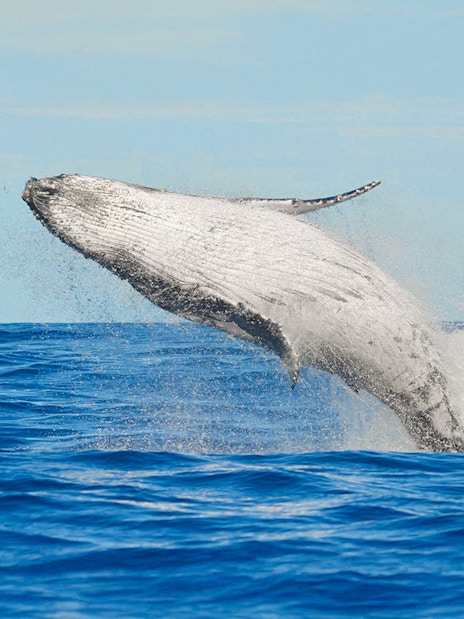
Whale and dolphin watching along Tenerife’s south coast (sightings not guaranteed)
Swimming and snorkeling stop (weather and sea conditions permitting)
Snorkeling equipment and safety gear
Selection of beverages (soft drinks, water, wine, beer, cava)
Fruits, tapas, and baguettes served on board
Lunch on board (as per option selected)
Life vests for all passengers

You can cancel these tickets up to 24 hours before the experience begins and get a full refund.
Book now without paying anything. Cancel for free if your plans change.

You can cancel these tickets up to 24 hours before the experience begins and get a full refund.
Book now without paying anything. Cancel for free if your plans change.


You can cancel these tickets up to 24 hours before the experience begins and get a full refund.
Book now without paying anything. Cancel for free if your plans change.