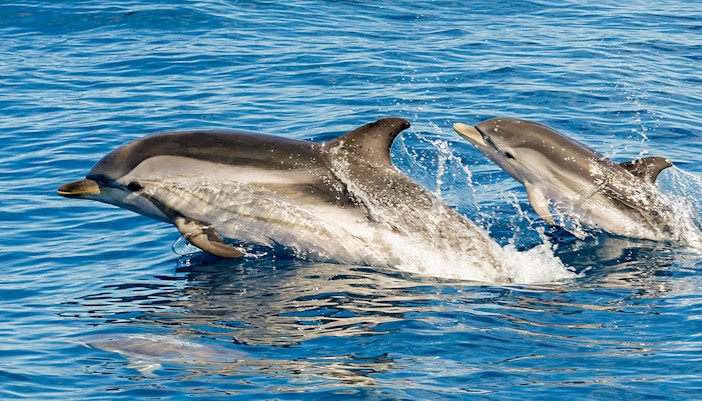
Cooler seas bring in sperm whales, the deep-diving giants. You might also spot fin whales, sleek and impossibly long, gliding through the Atlantic. The weather is mild, and the crowds are thin.
Whale season Tenerife: A month-by-month guide to spotting ocean giants
If you think whale-watching in Tenerife is a once-a-year event, think again. The Canary Islands’ warm waters set the stage for some of the most graceful ocean giants on Earth. Thanks to its unique location between Africa and Europe, Tenerife offers whale sightings all year round. The secret? A mix of resident pods that never leave and migratory guests that swing by depending on the season.
Whether you’re a wildlife enthusiast, a family traveler, or simply someone who wants to swap Netflix for something far more breathtaking, Tenerife delivers front-row seats to marine magic.
Month-by-month whale season in Tenerife
January
February
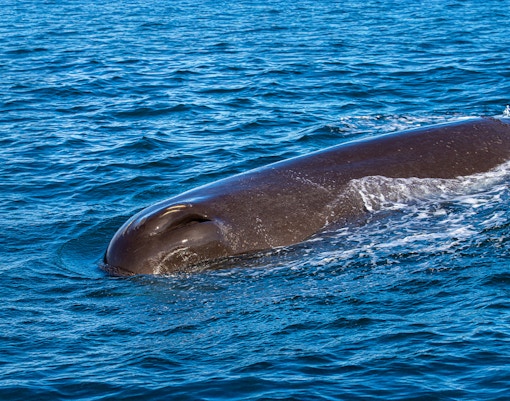
Still prime time for sperm whales, with an occasional orca pod passing through. Days are sunny but not scorching, making this a comfortable month to be on deck.
March
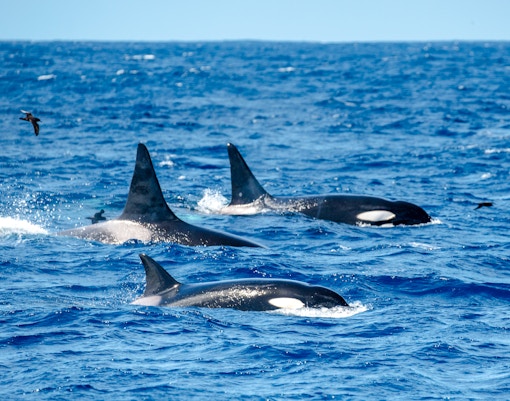
This is when the Atlantic highway gets busy—Orcas, sperm whales, and sometimes even Bryde’s whales cruise by. The resident pilot whales are, of course, always in attendance.
April
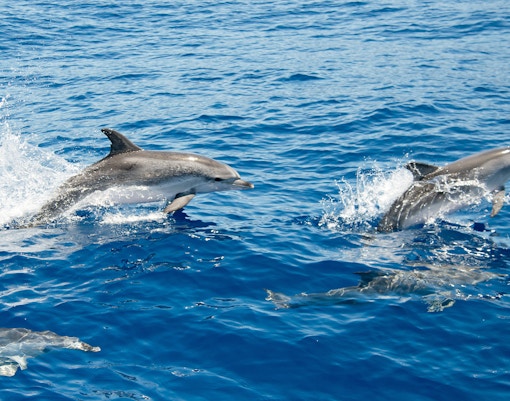
April is like the sampler platter of Tenerife’s whale season. You get migratory species mixed with dolphins showing off their acrobatics. The weather is warming, the seas are calmer, and it’s a sweet spot before summer crowds roll in.
May
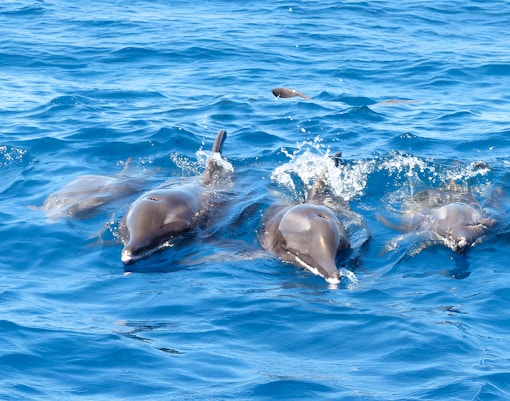
Whales are still around, but dolphins become the scene stealers. Expect lively pods of Atlantic spotted dolphins racing alongside boats. The water warms up, making it more inviting for a post-tour swim.
June
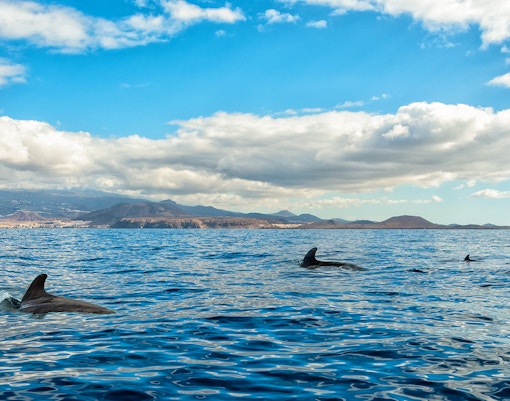
The resident pilot whales are at their most visible. Think of them as Tenerife’s permanent cast members, always ready for curtain call. June is sunny and vibrant, and the seas are gentle—perfect for families with kids.
July
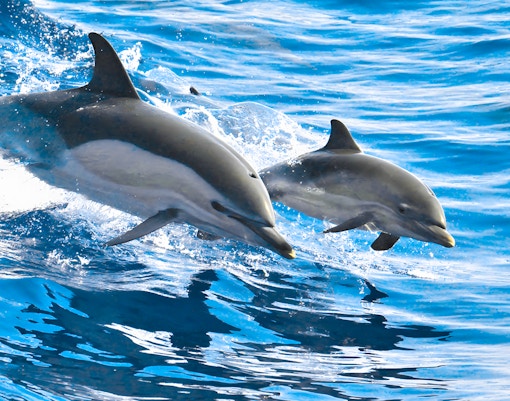
The warmest month and one of the busiest at sea. You’ll see pilot whales and dolphins daily, and if you’re lucky, the odd migratory visitor. Tours are buzzing with energy, so book early.
August
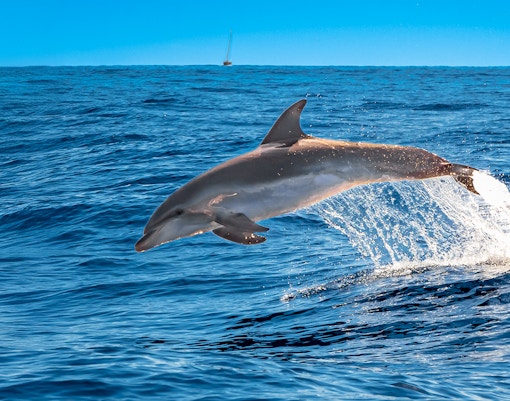
Hot, lively, and dolphin-packed. The bottlenose dolphins in particular seem to love August, performing flips and bows like they’re auditioning for a Disney role.
September
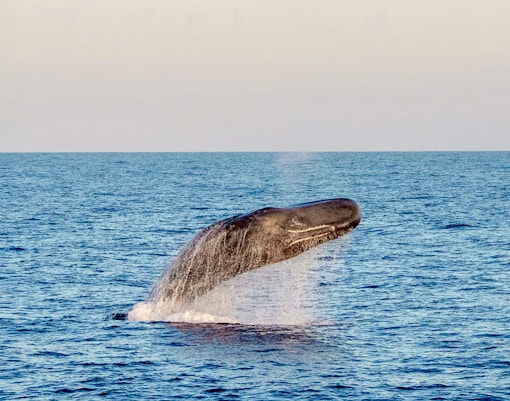
As the water temperature cools slightly, migratory species start trickling back. Sperm whales return, and September often brings calmer seas after the summer swell.
October
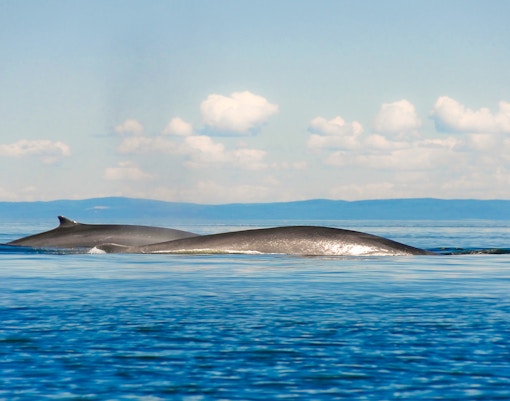
This is the month to keep your eyes peeled for fin whales again, alongside sperm whales and of course, the year-round pilot whales. Autumn sunsets add a cinematic flair to evening tours.
November
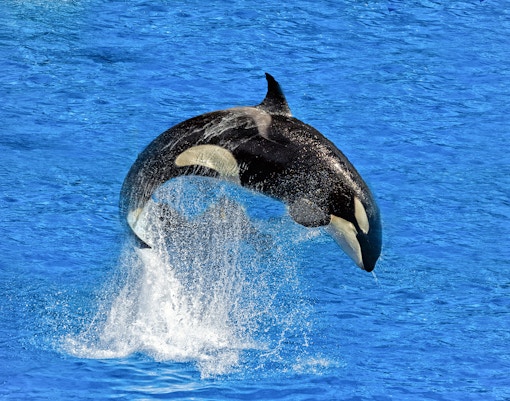
Orcas are most likely spotted in November and December. They’re not common, but when they show up, it’s the kind of story you’ll be telling for years. Expect dramatic skies and fantastic sightings.
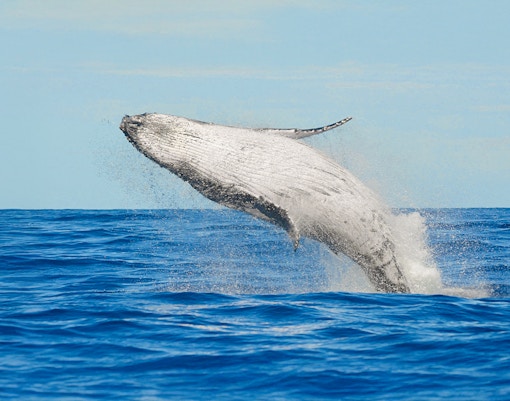
December
Sperm whales, fin whales, and sometimes orcas headline the season, making this one of the most exciting months. Add in Tenerife’s festive holiday vibe, and you’ve got the ultimate year-end trip.
Migratory whales and when to spot them
While Tenerife’s pilot whales and bottlenose dolphins stick around all year, some of the biggest stars only swing by at certain times. Here’s when to look out for them, what they’re up to, and how to spot them.
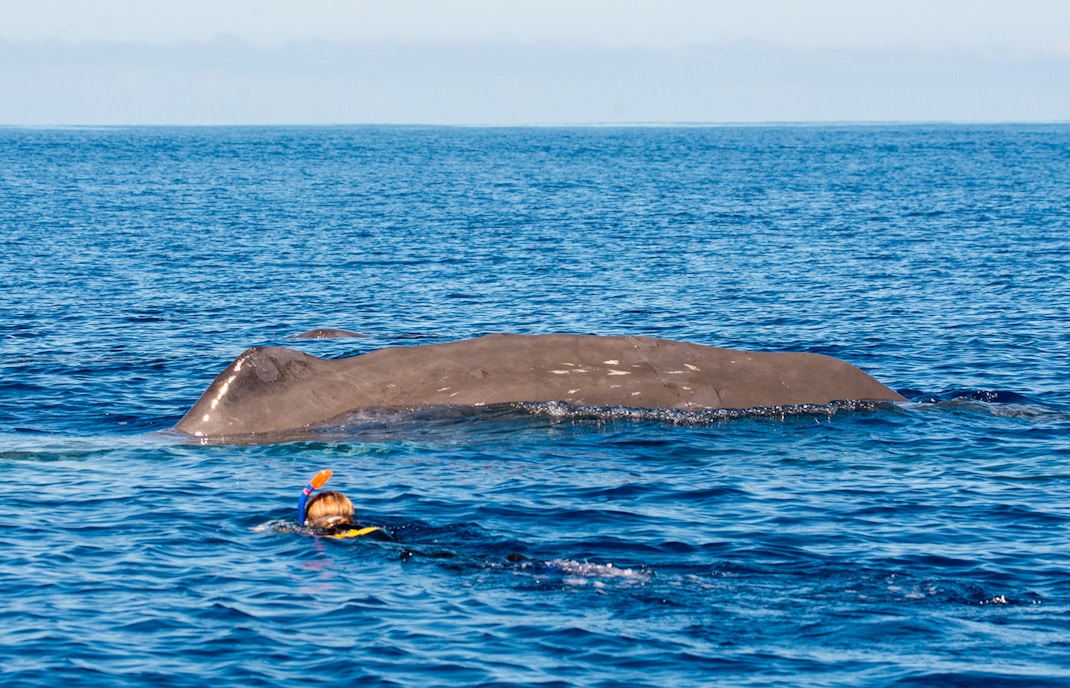
Sperm Whales
January to April, September to December
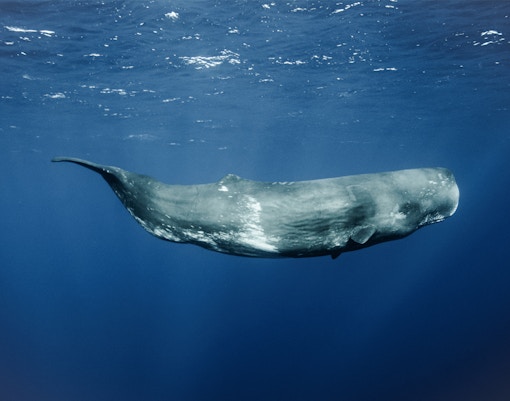
Sperm whales are deep divers, hunting squid at depths of over 1,000 meters. In Tenerife, they tend to surface between dives to rest and breathe, giving whale-watchers dramatic but brief encounters.
- Spotting tip: Look for their angled blow, which sprays forward and to the left, unlike most whales.
- Tours from Los Gigantes have particularly high chances during these months.
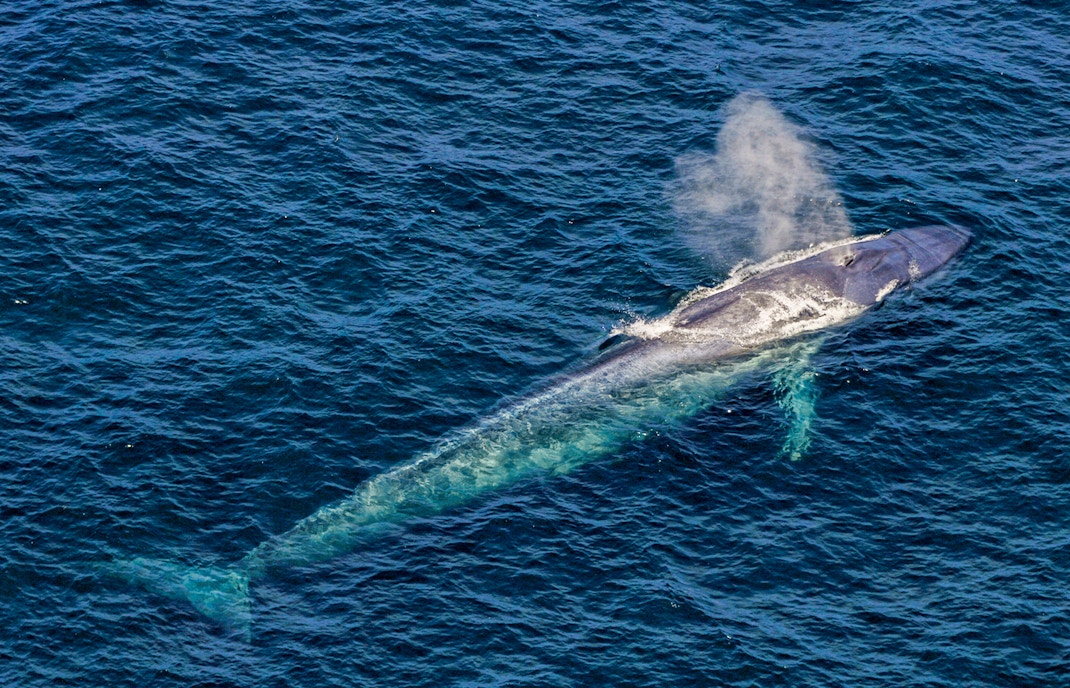
Fin Whales
October to March
These sleek giants migrate past Tenerife during winter, feeding on schools of fish and krill. Known as the “greyhounds of the sea,” they can reach speeds of 40 km/h, so sightings are often fleeting.
- Spotting tip: Fin whales don’t usually breach. Instead, watch for their long, streamlined back and tiny dorsal fin gliding just above the water’s surface.
- Clear winter mornings offer the best visibility.
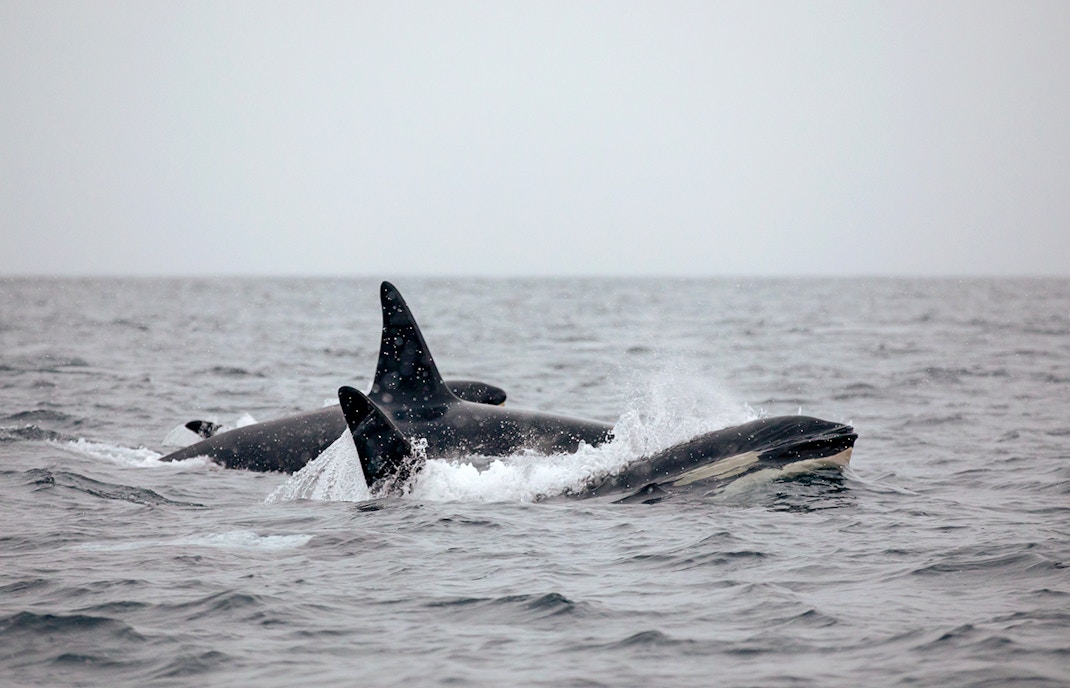
Orcas (Killer Whales)
November to December
Orcas aren’t common in Tenerife, but when they pass through, it’s often while chasing migrating tuna or other prey. They travel in pods, so if you see one fin, expect several more.
- Spotting tip: Orcas have the most iconic tall, straight dorsal fin—up to 2 meters high in males.
- Keep your camera ready; encounters are rare but unforgettable.
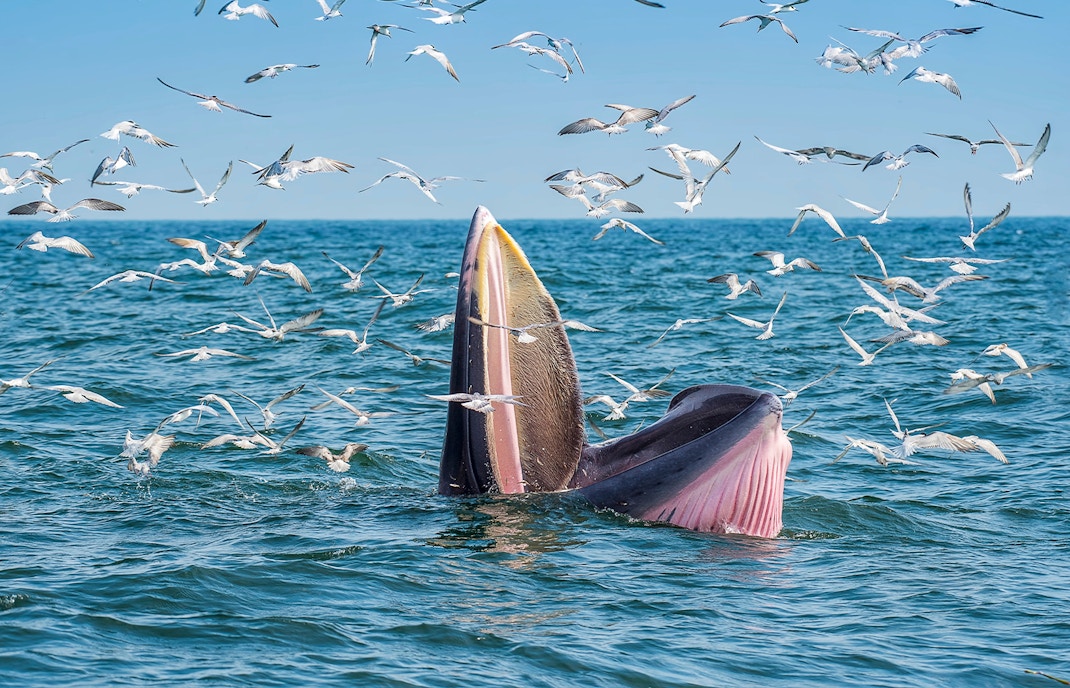
Bryde’s Whales
March to May
Bryde’s whales are shy compared to other species, but they often follow warm currents rich in sardines and mackerel.
- Spotting tip: Look for three ridges on their head (a giveaway feature).
- Early morning trips increase your chances before the seas get busier with boats.
Frequently asked questions about whale season in Tenerife
While Tenerife offers year‐round whale watching, many experts suggest that the months from April to May and September to October provide the calmest seas and the best chances for clear sightings.
Absolutely. Tenerife’s resident pilot whales ensure that whale watching is available all year; however, the experience may vary with seasonal weather and crowd levels.
Mornings are generally recommended because the sea is usually calmer and visibility tends to be better before the winds pick up later in the day.
Puerto Colon and Los Gigantes are top picks, with plenty of reputable tour operators.
No, but Tenerife has one of the highest sighting success rates in the world thanks to its resident pods.